
Regenerative Therapies
An ancient therapeutic technique using suction cups to promote blood circulation, relieve muscle tension, and accelerate natural healing.
What is Cupping Therapy
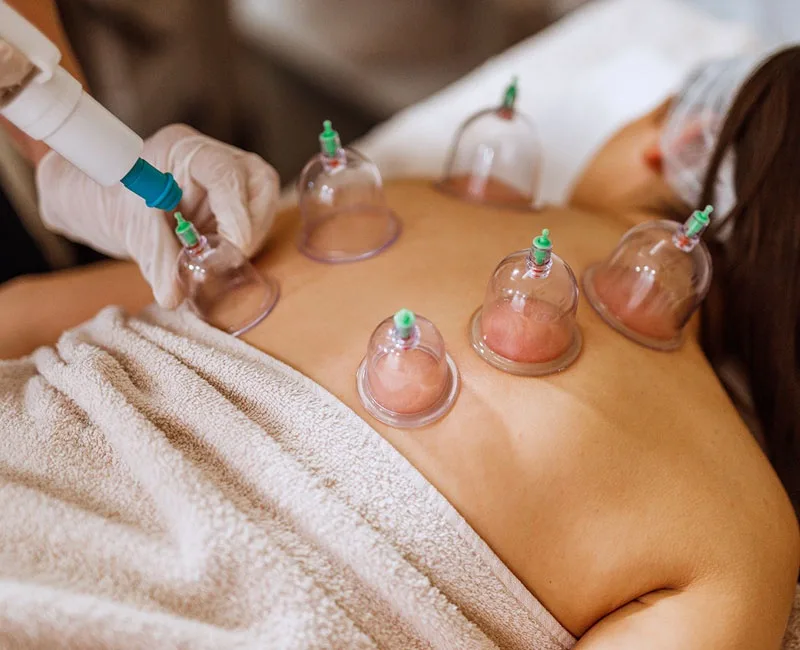
Cupping Therapy is a non-invasive wellness technique that uses suction cups applied to the skin to create gentle negative pressure. This suction is designed to stimulate local circulation and support soft tissue mobility.
The technique has been practiced in various traditional wellness systems for centuries and is now commonly incorporated into modern recovery and body care programs.
By lifting the skin and underlying tissue slightly, cupping may help promote relaxation and support natural circulatory processes.
Benefits of Cupping Therapy
Supports Local Circulation
The suction effect may encourage increased blood flow in targeted areas.
Assists with Muscle Relaxation
Cupping may help ease general muscle tightness and stiffness.
Promotes Recovery
Often used following physical activity, cupping may support the body's natural recovery response.
Encourages Lymphatic Flow
The negative pressure effect may assist normal lymphatic movement.
Supports Overall Well-Being
Many individuals experience a sense of relaxation and lightness following treatment.
What to Expect During a Session
At sessions take place in a modern monoplace (single-person) chamber designed for comfort and safety.
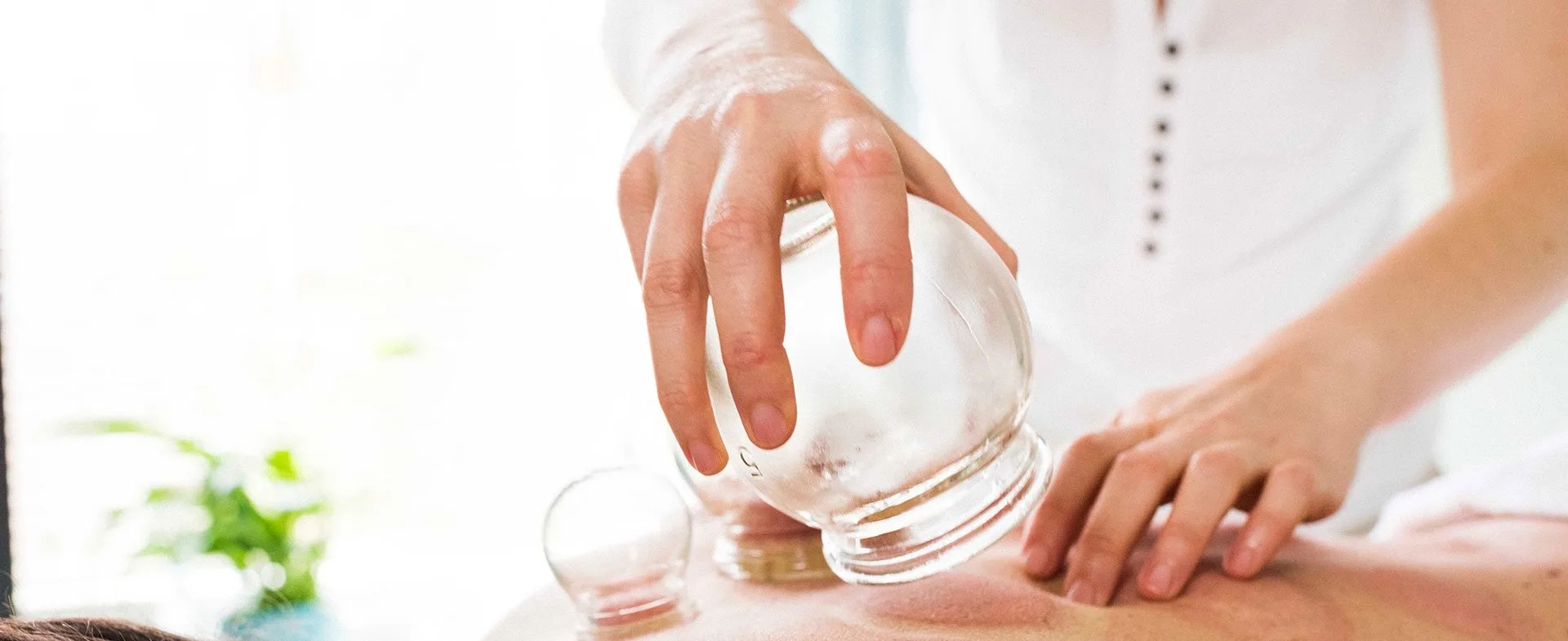
During your session:
- Cups are placed on specific areas such as the back, shoulders, or legs.
- Gentle suction is created manually or with a pump.
- The cups remain in place for several minutes.
- Sessions typically last between 20–40 minutes.
Precautions:
You may notice temporary redness or circular marks on the skin. These marks are a normal response to suction and usually fade within several days.
There is minimal downtime, and most individuals resume normal activities immediately.
FAQ
Most individuals describe the sensation as firm pressure or tightness rather than pain.
The suction increases local circulation, which may result in temporary skin discoloration.
Individuals with bleeding disorders, those on anticoagulant medication, or those with certain medical conditions should consult a healthcare professional prior to treatment.
Treatment frequency varies depending on your goals and overall wellness plan.
No. Cupping therapy is provided as a complementary wellness service and is not intended to diagnose, treat, cure, or prevent disease.